About Me.
I am an incoming CS PhD student at UCF, focused on AI and intelligent systems, with roots in frontend development and seven semesters of mentoring experience.

Early Passion
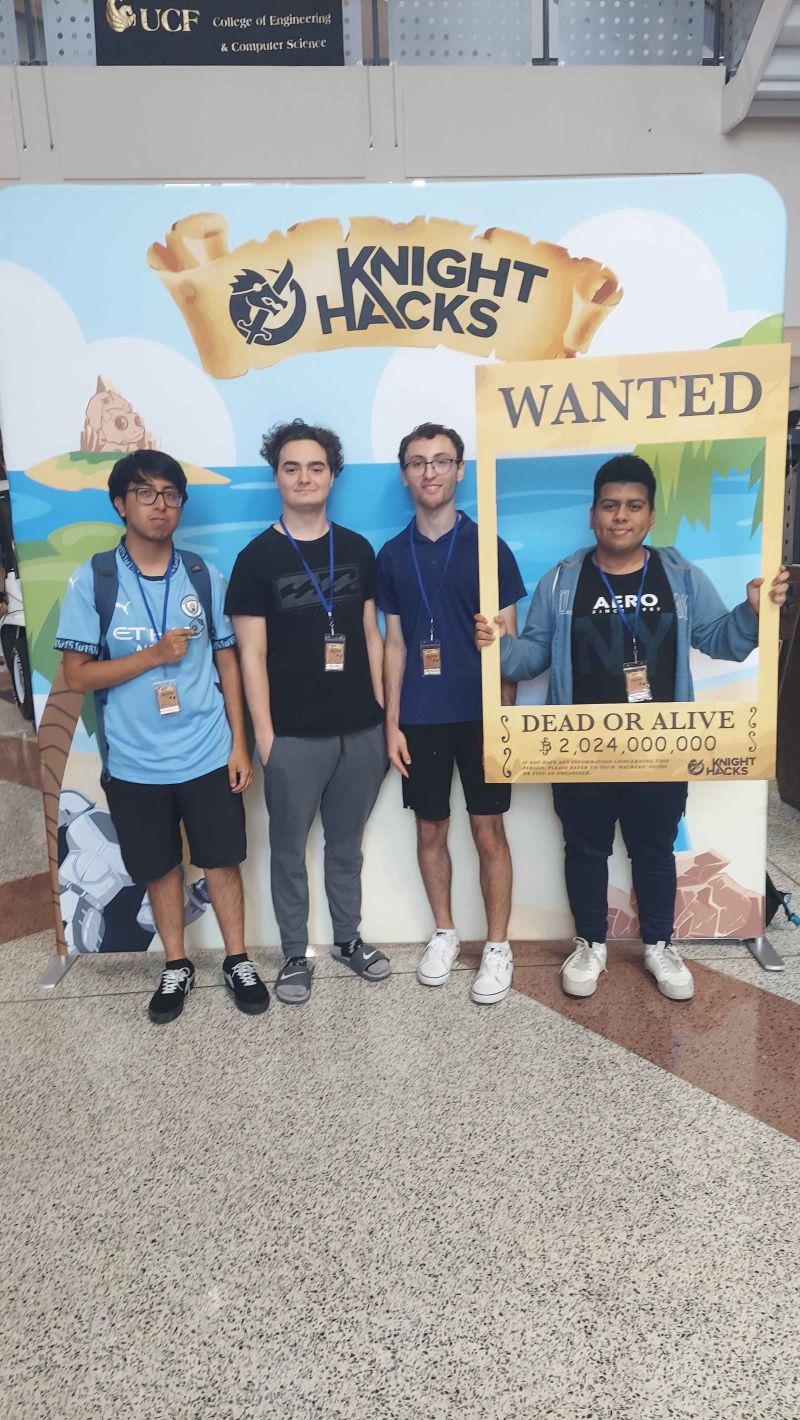
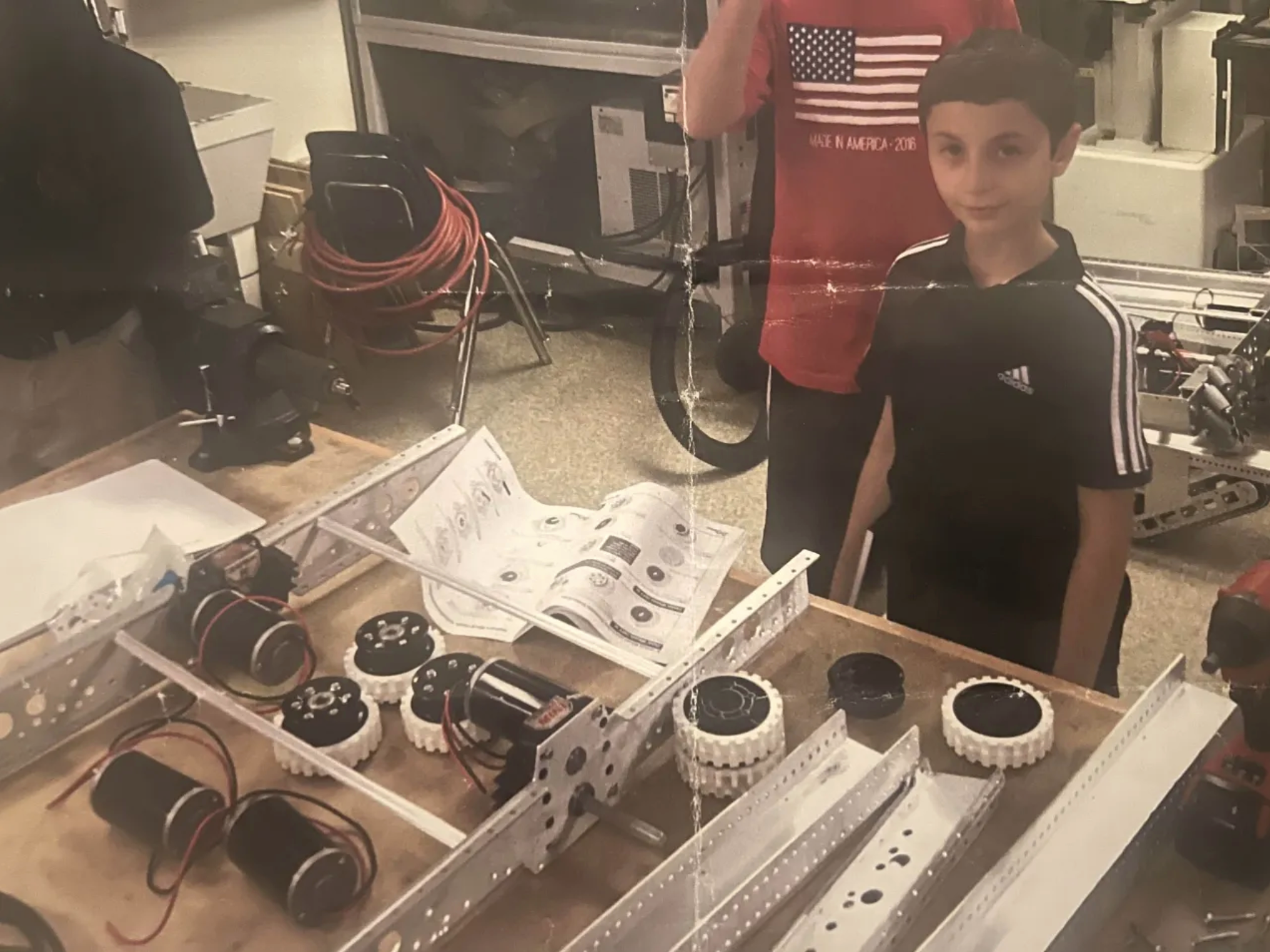
My interest in building things started early. In middle school I attended robotics camp, and in high school I competed in CyberPatriots and took AP Computer Science classes. Those experiences set a pattern that has stayed with me: learn by building, test assumptions directly, and improve through iteration rather than theory alone.
Undergraduate Study
I completed my Bachelor of Science in Computer Science, with a minor in Data Science, at the University of Central Florida. Those years were grounded in frontend and web development. I built interfaces in React, working through component architecture, state management, and the small decisions that determine whether software feels intuitive or frustrating. Through internships and team projects, I saw the full lifecycle firsthand: requirements, planning, implementation, and iteration. That made clear that writing code is only part of building effective software. How a system is structured, and how it communicates its behavior, matters just as much.
"Design is not just what it looks like and feels like. Design is how it works."
Steve Jobs
Teaching & Mentorship
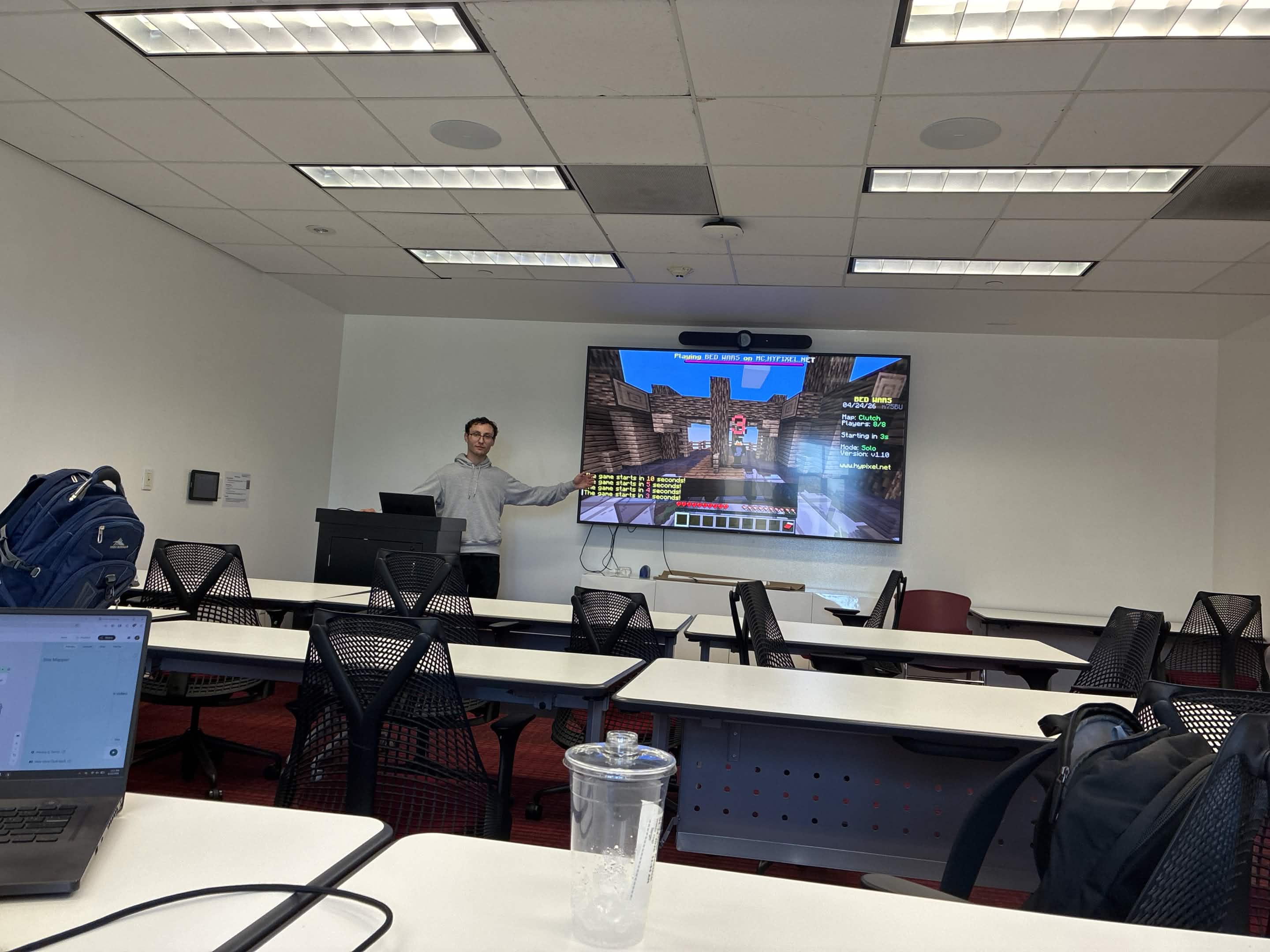
Over 7 semesters, I mentored more than 750 students in computer science, first as an Undergraduate Learning Assistant at UCF, then as a peer mentor through CodePath. Working at that scale, helping students through unfamiliar concepts, tricky debugging, and the early discomfort of not knowing where to start, sharpened how I reason about systems. Explaining something well requires understanding it precisely.
"You have power over your mind, not outside events. Realize this, and you will find strength."
Marcus Aurelius
Graduate Research
I am an incoming CS PhD student at UCF, with research interests in AI and intelligent systems. The focus will be on applying formal reasoning to make intelligent systems more reliable and predictable. The domain is new territory, but the instinct carries over: care about whether a system actually works for the people who depend on it, not just whether it compiles and passes its tests.
"You do not rise to the level of your goals. You fall to the level of your systems."
James Clear
My Principles
Systems Thinking
Good software is coherent at every level: structure, behavior, and interface all tell the same story. When those layers are aligned, a system becomes easy to reason about, easy to trust, and easy to change.
Deep Curiosity
I am drawn to hard problems because they are hard, not in spite of it. Curiosity is what sustains the work through difficulty and keeps the questions alive long after the obvious answers have run out.
Shared Ownership
The best outcomes I have been part of came from teams where everyone felt responsible for the result. That sense of shared stakes, in the work and in each other's growth, is what turns a group of people into something that actually functions.